ASONE Hub Consortium Presents... Learn to Play on Sunday 9th OCT
Music centres across Cornwall will be opening their doors on Sunday October 9th to welcome in anyone who would like to try their hand at a musical instrument guided by an experienced musician and teacher.
Venues include St Austell Band Room, Truro Pydar Pop-Up, Falmouth Adult Education Centre, Penzance Parade Chambers. You can drop-in to the taster sessions or you can let us know if you have a specific time that you want to attend by emailing [email protected].
In one of the centres, run by MusicAbility Foundation at 10 Parade Street, Penzance, doors will be opened for anyone wanting to try pulling a bow across a violin, viola or cello, with short lessons offered by Emma Stansfield and Tim Boulton.
“When I was at primary school in Hereford in the 1960s every day started with the whole school singing together, learning music by ear and singing back with piano accompaniment.” Tim remembers, “
Every child played a musical instrument too - every week.
Thinking back, forty recorders being blown at the same time probably didn’t sound so attractive to people who were in the classrooms on either side, but it was a pleasant cacophony in the room.”
Those first steps at reading music opened new gateways and many people moved on to other instruments, especially the flute, clarinet or violin, using their developing music-reading skills to help them get to grips with more complex musical tasks.
Does it matter that this whole school approach to making music from an early age has been steadily dropping off the national consciousness over the last thirty years?
The world is now a very different place. Changes in technology mean that music performed by professional musicians is at our fingertips 24 hours a day. You want to listen to Adele, Ed Sheeran, or Billy Eilish? Just ask Alexa and they’ll start performing just for you. Why bother singing or playing an instrument when these musicians will make a sound so much better than doing it yourself? Well, there are many reasons why it matters a lot.
“Try searching ‘the benefits of playing an instrument’ and the 165,000+ entries that crop up in the first fraction of a second might open your eyes and ears.” says Tim. “It seems that playing an instrument for even a relatively short time has been proved to have some serious benefits through the whole of our lives and even offers a level of protection from dementia.”
The catch is this – it takes some time and sticking power to learn a musical instrument and in our fast-paced lives things that take more effort seem to be getting pushed to the edges. Schools sometimes get stuck thinking that the core subjects are the only ones really worth focussing on. “But there is nothing more connected to our personal ‘core’ than an activity that develops physical balance, fine motor skills, dexterity and coordination, that is closely connected to practical maths skills and also develops our language, reading skills and comprehension, improves memory and time management, helps us to become more tolerant and encourages detailed active listening – the list really is endless – I haven’t started to mention the fun of playing with others, the sense of collective friendship that develops with fellow musicians, the opportunity to widen our understanding of culture and the extraordinary way that playing music can bring the past to life, how musical thoughts written tens or hundreds of years ago can come alive and be equally relevant today, in our own hands and with our own ears, or the fun of creating something totally new.”
Tim pauses to take a breath.
“The world of music has no limits.”
It’s no wonder that several enlightened British schools have been placing music at the very centre of their school life, teaching many core subjects through music.
People of all ages might want to consider taking up a musical instrument or renewing their old acquaintance with that violin, flute or guitar in the attic.
“My dad started playing the cello aged 74 and it gave him 14 years of great pleasure. He slowly but steadily improved at a time when most of his physical abilities were in decline. He loved feeling the vibrations of the sound through his chest, the time spent with his encouraging teacher and playing with others in a small group of cellists. The absolute highlight was playing in a string quartet, being one small part of a creative and effective whole.”
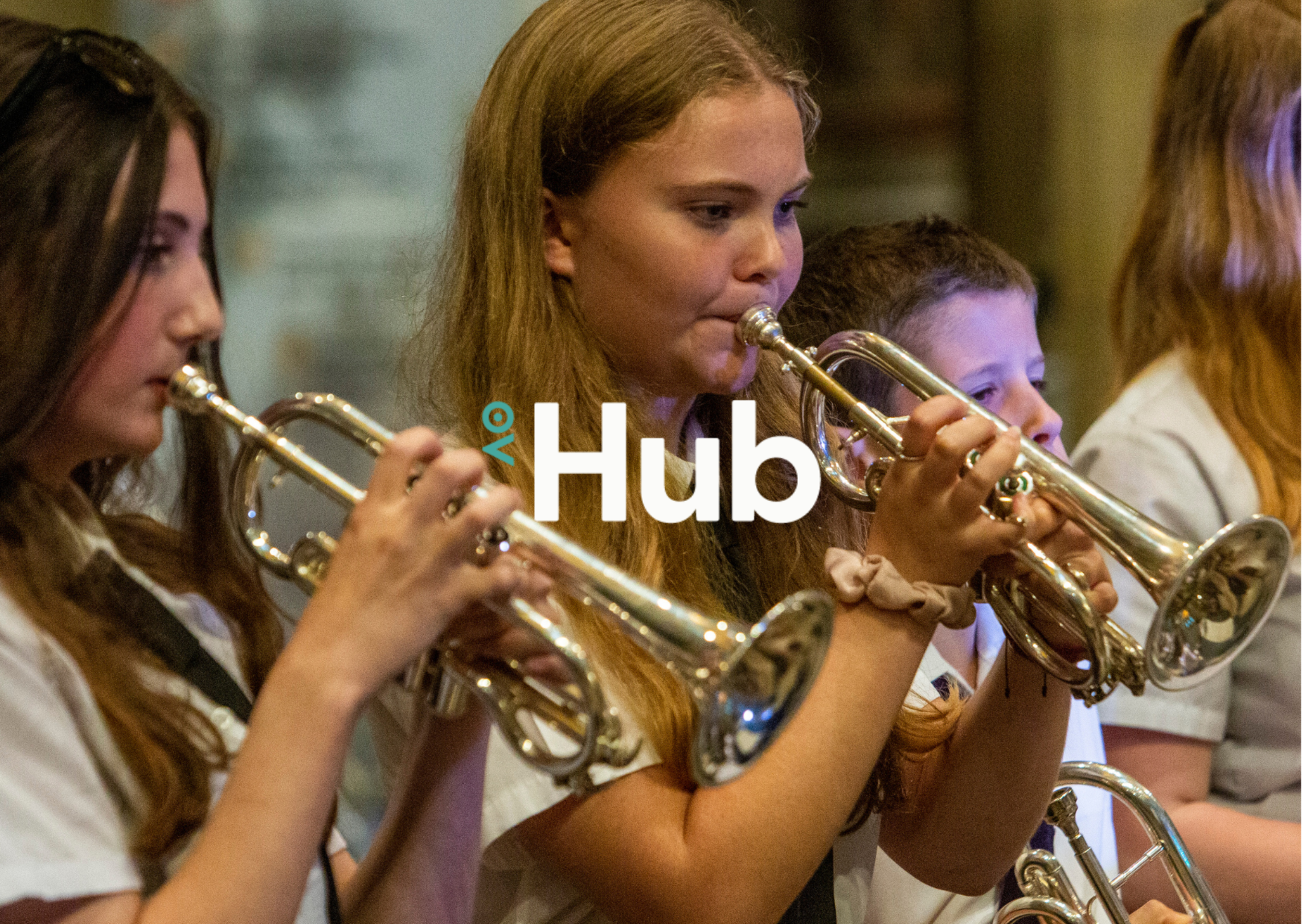
So, might you be a plucker, blower, striker, or scraper? All music starts with vibrations which can be produced in a variety of ways. “Personally, I love the feeling of the bow gripping the string, not too soft, not too hard, but with a world of sounds in the middle.” Tim comments. For some the violin is just too high and the mellow sounds of the viola, cello or double bass are their favourites. Wind players employ a wide range of ways to create vibration - clarinet, saxophone, oboe and bassoon players blow across one or two carefully positioned reeds and flautists blow a fine jet of air across the mouthpiece, like blowing across the top of a bottle. Brass players let their own lips vibrate like a comical raspberry, but the sound is transformed into that of the beautifully mellow cornet, bright trumpet, warm French horn or the deeper trombones and tubas. You might prefer to let your fingers sink down into the keys of the piano, strike the skin of a drum or pluck the strings of a mandolin or guitar.
On Sunday 9th October music teachers from across Cornwall will be opening their doors to welcome in anyone who wants to have a go.
Come along and try out a new instrument or bring your old one in and we’ll offer advice on how to get it properly working again. We can’t offer every instrument at every centre, but if for instance you try playing a viola in Penzance or a trombone in St. Austell, you can be assured that there will be someone locally who can help you continue that instrument in that area.